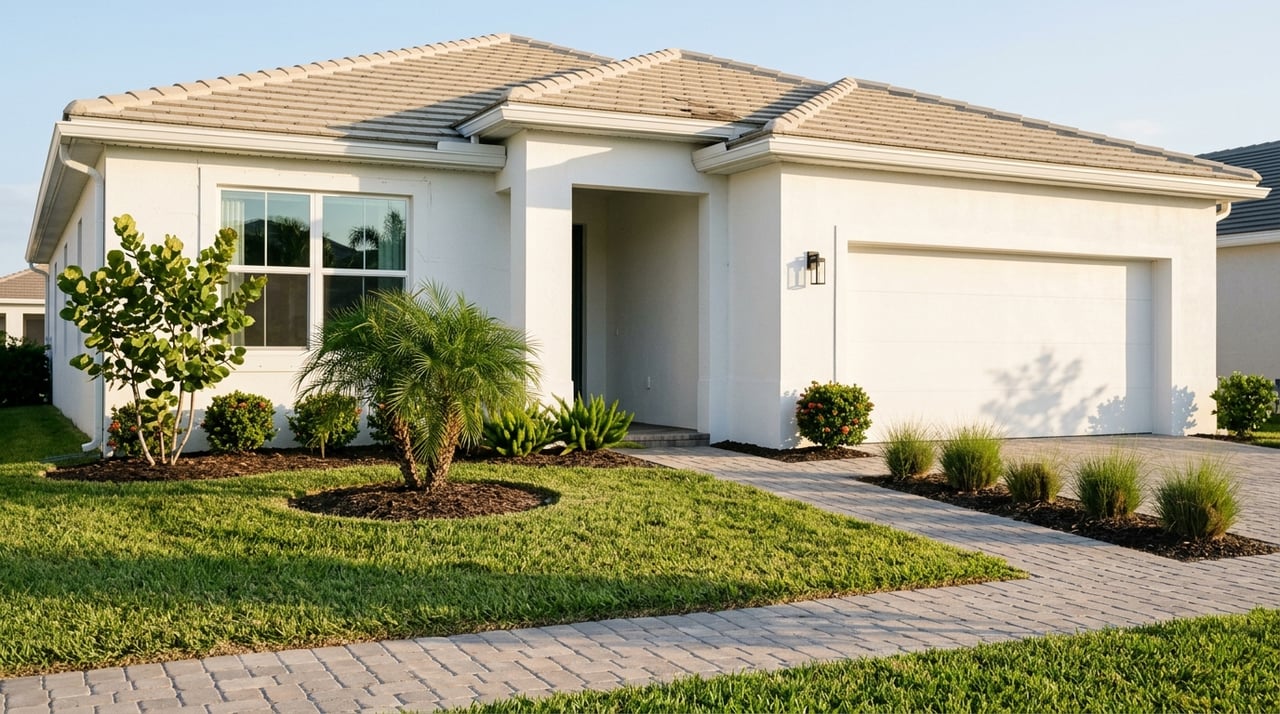
Comparing Venice Island And Mainland Home Options
July 23, 2026
July 23, 2026
Wondering whether Venice Island or the Venice mainland is the better fit for your move? It is a smart question, especially if you are relocating and trying to balance lifestyle, convenience, home style, and day-to-day routine. The good news is that both areas offer strong options, but they live very differently. This guide will help you compare the two so you can narrow in on what fits you best. Let’s dive in.
Venice Island is often associated with the city’s most recognizable coastal lifestyle features. It is home to historic downtown, Venice Beach, Centennial Park, and easy access to the Venetian Waterway Park trail system. If you picture walkable outings, beach access, and a more compact setting, this is usually the side buyers want to explore first.
It is also helpful to know that Venice Island is not a barrier island. The City of Venice describes it as an artificial island created when a canal was excavated in the 1960s, and the city notes that it has higher elevations than those usually found on barrier islands. That does not remove the need for flood due diligence, but it does give useful geographic context.
The mainland offers a different feel. In general, this side of Venice has a broader mix of land-use patterns, including traditional, planned, and mixed-use districts across the city. For many buyers, that translates to more variety in home settings and a more spread-out, residential routine.
The city’s planning framework also points to ongoing redevelopment in some mainland areas. For example, the Seaboard master-planning effort describes an area transitioning to mixed use with residential and companion commercial uses under a form-based code. If you want to compare established neighborhoods with areas shaped by newer planning patterns, the mainland gives you more of that range.
A big part of Venice Island’s identity comes from the city’s original 1920s planning era. Downtown Venice is rooted in that period, and local preservation resources highlight historically significant districts and homes, including the John Nolen Plan of Venice and several historic districts.
For you as a buyer, that often means a more established, character-driven housing environment. You may find older neighborhoods, compact street patterns, and architecture influenced by the city’s Mediterranean Revival design tradition. If charm, legacy feel, and a distinct sense of place matter to you, the island often stands out.
The mainland tends to offer a wider spread of neighborhood formats. Because the city’s zoning includes traditional, planned, and mixed-use districts, buyers often see more variation in layout, density, and setting from one area to the next.
This is also where Venice appears to have more room for newer development patterns and a more suburban feel. If you want to compare different home types or prefer a less historic and less compact environment, the mainland may give you more flexibility.
Venice Beach sits within city limits at the west end of West Venice Avenue. The city says the beach is maintained by Sarasota County and includes free parking and county lifeguards. If beach access is one of your top priorities, that proximity can shape your whole routine.
The island also puts you close to Brohard Paw Park, which leads to the only beach area in Sarasota County where dogs are allowed. South Brohard next to it provides human-only beach access. For buyers with pets or a strong beach lifestyle focus, this is a meaningful difference.
Historic downtown is another major advantage on the island side. The downtown district centers on Miami Avenue West, Tampa Avenue West, and West Venice Avenue, with boutiques, cafes, events, free parking, and the Saturday farmers market near City Hall at 401 W. Venice Avenue.
Mainland living usually means you are less beach-adjacent by definition. For many buyers, that means trading immediate walk-to-beach convenience for a quieter residential setting and more frequent driving for errands, dining, or downtown visits.
That tradeoff is not necessarily a downside. It depends on how you want to live. If your ideal week includes regular beach trips, evening strolls downtown, or easy access to community events, the island may feel more convenient. If you are comfortable driving a bit more and want a less concentrated beach-and-tourism environment, the mainland may feel easier day to day.
Venice Island tends to feel more pedestrian-oriented because so many of its destination points are clustered together. Centennial Park acts as a central gathering place, and the downtown area hosts events, concerts, and market days that add energy to the area.
The island also connects well to outdoor recreation. The Venetian Waterway Park provides 5 miles of bicycle and walking trails on each side of the Intracoastal Waterway, and the Legacy Trail overpass connects that trail system to downtown Venice. If you like the idea of fitting walks, bike rides, and coffee stops into the same outing, this side of Venice often delivers that lifestyle more naturally.
The mainland usually feels more spread out. Your routine may involve more driving, but that can also come with a calmer rhythm if you prefer less activity concentrated around your home. For some buyers, that wider spacing simply fits better.
One practical issue many relocating buyers do not think about right away is bridge access. The island and the mainland are connected by bridges over the Intracoastal Waterway, including the KMI Bridge, the Venice Avenue Bridge, and the Circus Bridge.
That matters because some island errands and commutes involve crossing a bridge. Depending on where you work, shop, or spend your time, this can be a small detail or an everyday consideration. When you are comparing homes, it helps to think beyond the property itself and picture your most common routes.
No matter which side of Venice you prefer, flood due diligence should be part of your home search. The City of Venice states that every property in Florida is in a flood zone and that high-risk areas can trigger flood insurance requirements for federally regulated mortgages.
The city has adopted FEMA’s 2024 flood zone maps and participates in FEMA’s Community Rating System as a Class 5 community as of 2025. The city’s hurricane information also notes that Venice Island and the Intracoastal Waterway can influence storm impacts, evacuation routes, and bridge access.
For you, the key takeaway is simple: verify the specific property’s flood zone, elevation, and insurance expectations before you make an offer. This is important on both the island and the mainland, and it should be part of your comparison from the start.
If you are drawn to historic character, beach access, downtown energy, and a more walkable routine, Venice Island may be the better match. It often appeals to buyers who want to be closer to the city’s most iconic destinations and enjoy a compact, lifestyle-driven setting.
If you are looking for broader housing variety, more contemporary planning patterns, and a more residential day-to-day pace, the mainland may be a better fit. It often works well for buyers who want more range in neighborhood types and do not need to be near the beach every day.
For many people, the decision comes down to this: do you value walkability and classic Venice charm more, or do you prefer space, variety, and a more suburban routine? Once you answer that, your search usually becomes much clearer.
If you are comparing Venice Island and mainland options from out of town, having a clear plan can make the process much less stressful. Jeanne Egan offers hands-on, detail-focused guidance to help you evaluate location tradeoffs, property fit, and what to expect at each step.
Stay up to date on the latest real estate trends.

I am committed to guiding you every step of the way—whether you're buying a home, selling a property, or securing a mortgage. Whatever your needs, I've got you covered.

Jeanne Lynn Egan
423 Saint Armands Cir Sarasota FL 34236