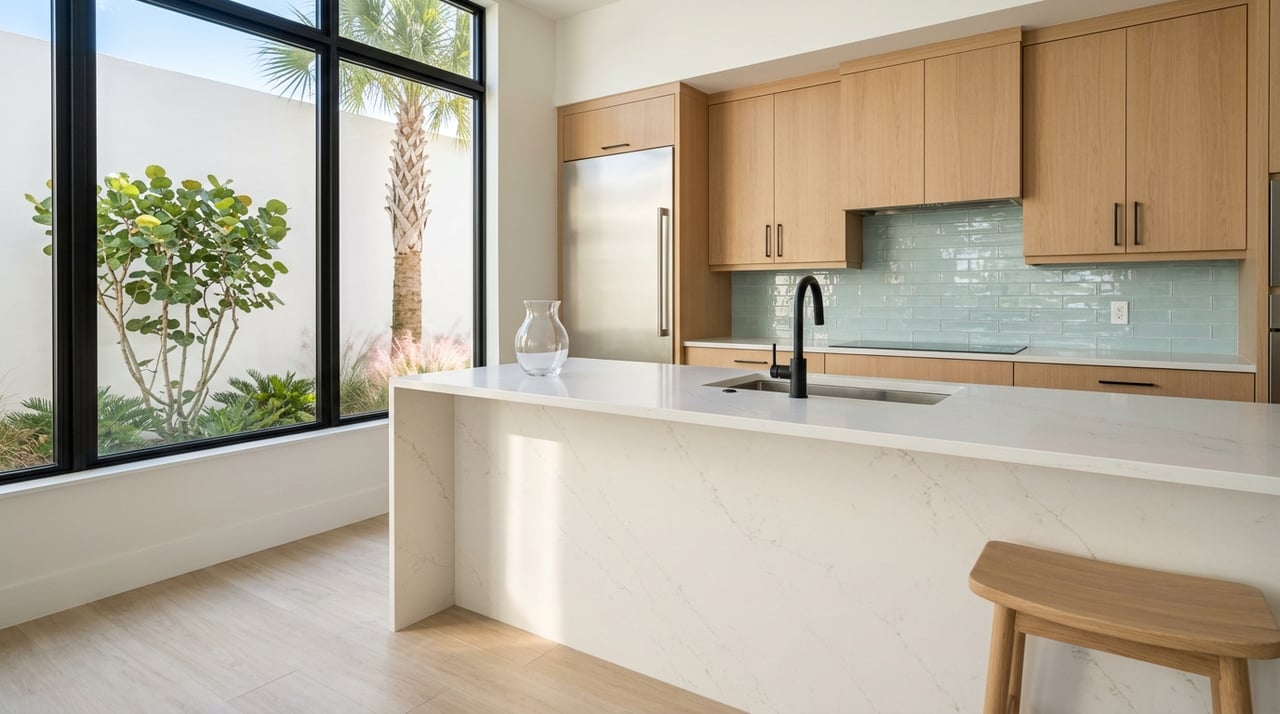
Selling a Home in Venice With a Clear, Lower-Stress Plan
May 21, 2026
May 21, 2026
Wondering how to sell your Venice home without feeling like your whole life is on hold? That concern is completely understandable, especially in a market where homes are still selling, but often not overnight. The good news is that a lower-stress sale usually comes down to preparation, realistic expectations, and a clear plan from day one. Let’s walk through what can help you stay organized, reduce surprises, and move forward with more confidence.
A lot of seller stress comes from uncertainty. You may be asking how long it will take, what to fix, how to price your home, or how much disruption showings will cause.
In Venice, current data points to a market that rewards pacing and preparation. April 2026 data from the Venice Area Board of REALTORS® showed 4.2 months of inventory, 43 days to contract, and 81 days to sale for single-family homes in the association area. Other city-level trackers showed roughly 70 to 73 days on market, with homes selling at about 96% of list price on average.
Those numbers vary by source and geography, but the takeaway is consistent. This is not a market where you want to rely on guesswork. Thoughtful pricing and strong presentation can make a real difference.
If you want less stress, treat your sale like a project with milestones. That means knowing what needs to happen before listing, during showings, under contract, and before closing.
The Venice Area Board of REALTORS® notes that sellers should expect guidance on pricing, preparing the property, required forms and disclosures, contract negotiation, and closing. In practice, that means your selling process should feel organized, not reactive.
A clear plan often includes:
That kind of structure is especially helpful if you are also buying, downsizing, relocating, or handling an estate sale.
The easiest way to avoid last-minute pressure is to handle as much as possible before your home goes live. Small steps early can prevent bigger headaches later.
Pre-listing guidance from the National Association of REALTORS® recommends considering a pre-sale inspection, organizing and cleaning, and getting replacement estimates for major items before listing. This can help you spot issues earlier and be better prepared for buyer questions or negotiations.
A pre-sale inspection can give you a clearer picture of your home before buyers begin their own due diligence. It may reveal repair items, maintenance concerns, or systems that need attention.
That does not mean you need to fix everything. It does mean you can make decisions from a position of knowledge instead of being surprised after a contract is signed.
One of the simplest ways to make your home easier to show is to remove extra items before listing. Decluttering can make rooms feel more open, cut down on daily cleanup, and help buyers focus on the home itself.
Depersonalizing also matters. When you reduce very personal decor, buyers may find it easier to picture themselves living there.
The day-to-day side of selling can feel exhausting if you do not have a system. NAR's seller showing checklist recommends decluttering, deep cleaning, clearing counters, neutralizing odors, opening window coverings, and securing valuables.
Once you build a routine, getting ready for showings can take less than an hour. That is a big quality-of-life improvement when your home is actively on the market.
Staging does not have to mean a full redesign. In many cases, the biggest wins come from cleaning, decluttering, improving curb appeal, and arranging key rooms well.
According to NAR's 2025 Profile of Home Staging, 83% of buyers' agents said staging made it easier for buyers to visualize a home. The same report found that 49% of sellers' agents said staging reduced time on market, and 29% said staging led to a 1% to 10% increase in the dollar value offered.
The most commonly staged rooms were the living room, primary bedroom, dining room, and kitchen. If you are trying to simplify the process, those are smart places to focus first.
In many Venice homes, this can mean lighter styling, clear surfaces, and a fresh, well-kept feel that supports the home's layout and natural light.
Pricing is one of the biggest stress points for sellers because it affects both activity and expectations. Price too high, and you may lose time and momentum. Price realistically, and you may create stronger interest from the start.
Venice market data from spring 2026 suggests buyers still have room to negotiate. The local numbers also show that homes are taking weeks, not days, to move from listing to contract.
That is why a calm selling experience often begins with a realistic list price. The goal is not just to list. The goal is to attract serious buyers without setting yourself up for avoidable price reductions or extended market time.
Another local factor worth noting is the share of cash transactions. In April 2026, 46.6% of Venice-area single-family closings were cash.
A cash offer can sometimes mean a shorter and simpler path to closing, but it is not automatic. You still want to compare terms carefully, including timing, contingencies, and the overall strength of the offer.
Waiting until you are under contract to pull together paperwork can create unnecessary pressure. In Florida, early disclosure planning is one of the best ways to prevent delays and confusion.
Florida law requires a flood disclosure to be provided at or before contract execution. The form also reminds buyers that standard homeowners insurance does not cover flood damage.
Florida law also requires disclosure of known sanitary sewer lateral defects before a contract is executed. In addition, a property tax disclosure summary must be presented at or before contract execution because buyers should not assume current taxes will stay the same after reassessment.
When you gather information upfront, you reduce the odds of scrambling later. You also create a smoother negotiation process because buyers have better information earlier in the transaction.
Florida law also requires real estate licensees to disclose known facts that materially affect the value of residential property and are not readily observable to the buyer. Honest, organized documentation helps everyone move forward with fewer surprises.
One common source of stress is not knowing what you will actually walk away with at closing. That is why it helps to estimate seller proceeds early instead of waiting until the final days.
In Florida, documentary stamp tax on deeds is generally calculated at 70 cents per $100 of consideration. Costs like this are part of the reason a detailed closing estimate matters.
Knowing your likely net can help you make better decisions about pricing, repairs, moving plans, and your next purchase.
Many sellers think the hard part ends once they accept an offer. In reality, that is when deadlines, documents, and moving logistics start to overlap.
If your buyer is financing the purchase, the lender must provide the Closing Disclosure at least three business days before closing. The settlement agent then handles the collection and disbursement of funds according to the contract and loan terms.
Florida law also requires deeds to be in writing and signed in the presence of two subscribing witnesses. That is one reason the closing professional plays such an important role in coordinating final paperwork.
A simple closing timeline can reduce a lot of anxiety. Your timeline might include:
When those tasks are scheduled instead of improvised, the final week feels much more manageable.
Administrative details may not be exciting, but they can make a big difference in how calm your move feels. A few tasks handled early can prevent a rushed ending.
The City of Venice offers online utility forms, including a Terminate Utility Services form for transfer to a new owner. The city notes that incomplete forms can delay or prevent processing.
USPS recommends notifying everyone who sends you mail of your new address and move date at least two weeks before your move. That is a small step, but it can help the transition feel much more orderly.
If you are moving from one Florida homestead to another, portability may be worth discussing. The Florida Department of Revenue says eligible owners may transfer all or part of their Save Our Homes assessment difference to a new Florida homestead.
The homestead exemption itself does not transfer, and portability forms are due by March 1 of the first year after the move. If that may apply to you, it is smart to plan ahead.
A smoother sale usually does not come from one big secret. It comes from a series of smart, early decisions.
In Venice, that often means pricing realistically, preparing your home before listing, staying on top of required disclosures, and following a clear timeline from offer to closing. When you know what to expect, the process feels much more manageable.
If you are thinking about selling your Venice home and want a calm, step-by-step plan, Jeanne Egan can help you prepare, price, and navigate the process with clear communication from start to finish.
Stay up to date on the latest real estate trends.
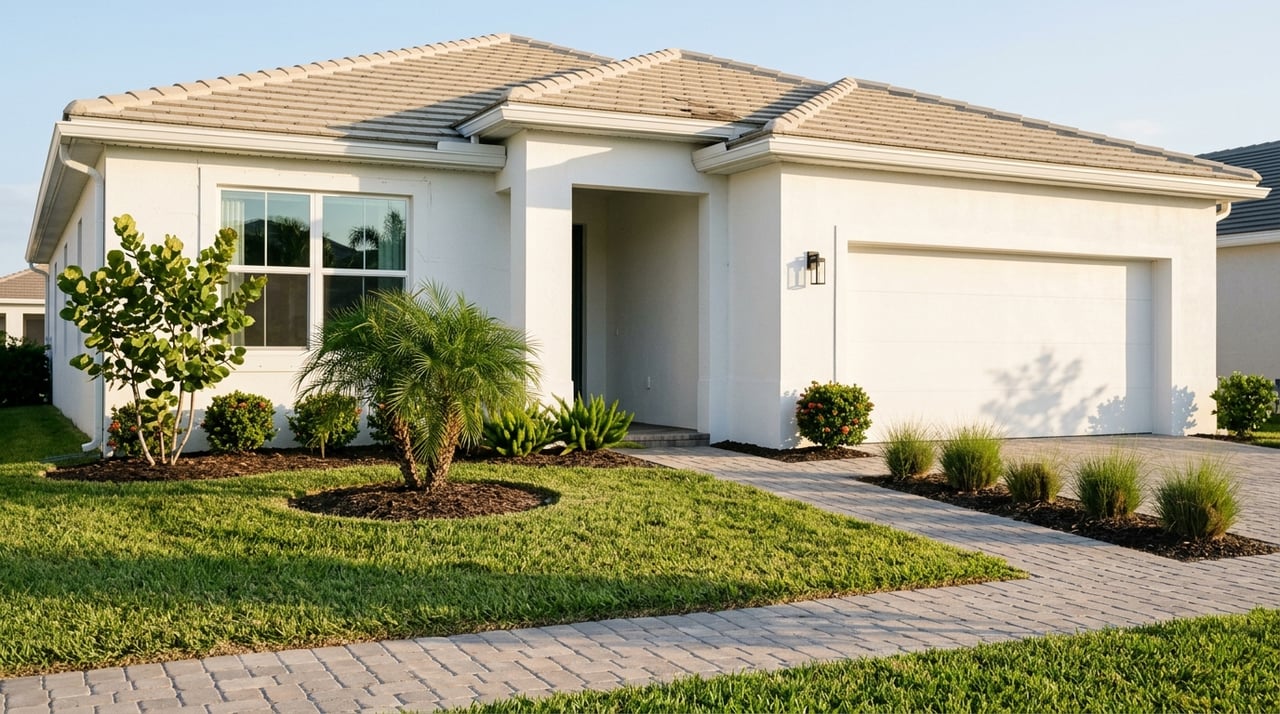
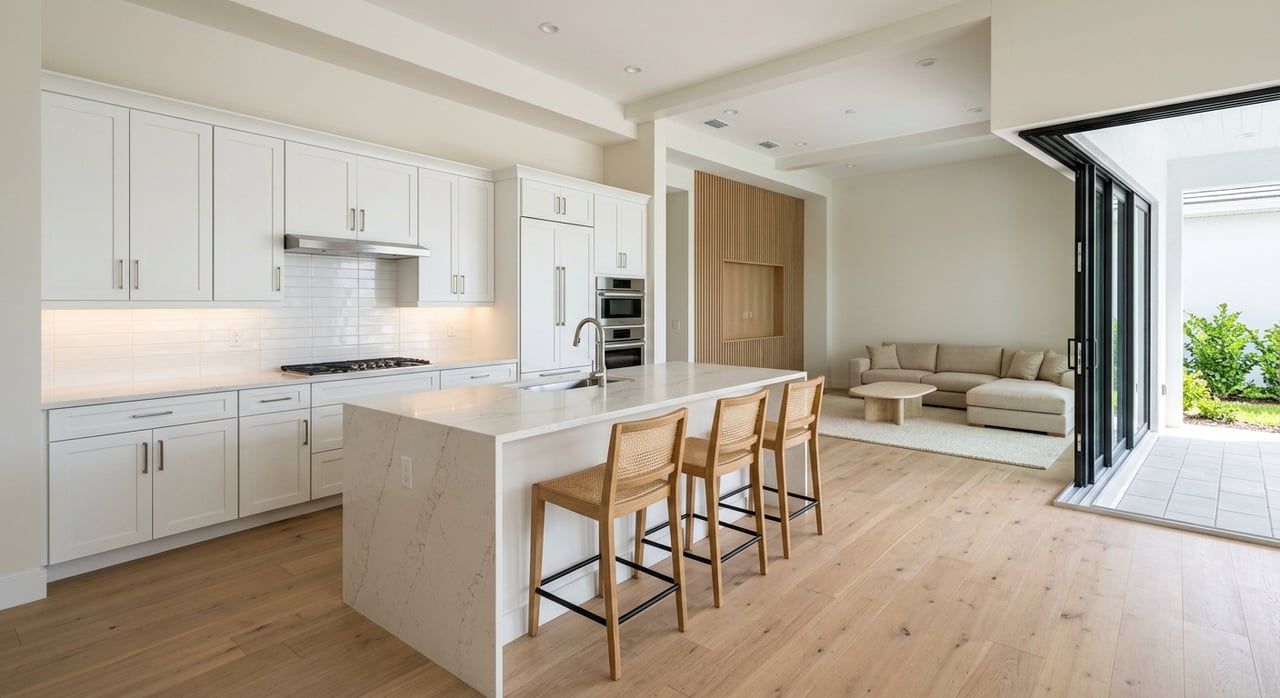


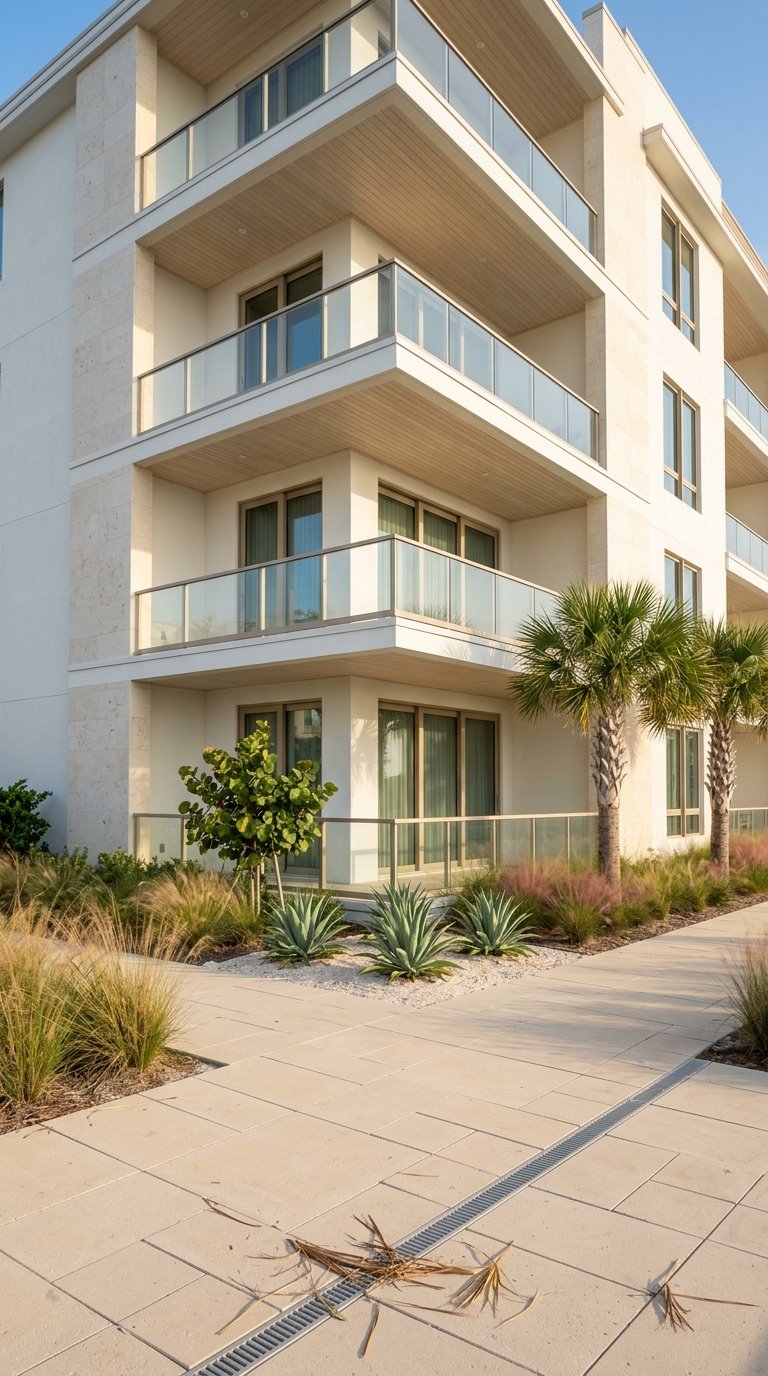

I am committed to guiding you every step of the way—whether you're buying a home, selling a property, or securing a mortgage. Whatever your needs, I've got you covered.

Jeanne Lynn Egan
423 Saint Armands Cir Sarasota FL 34236