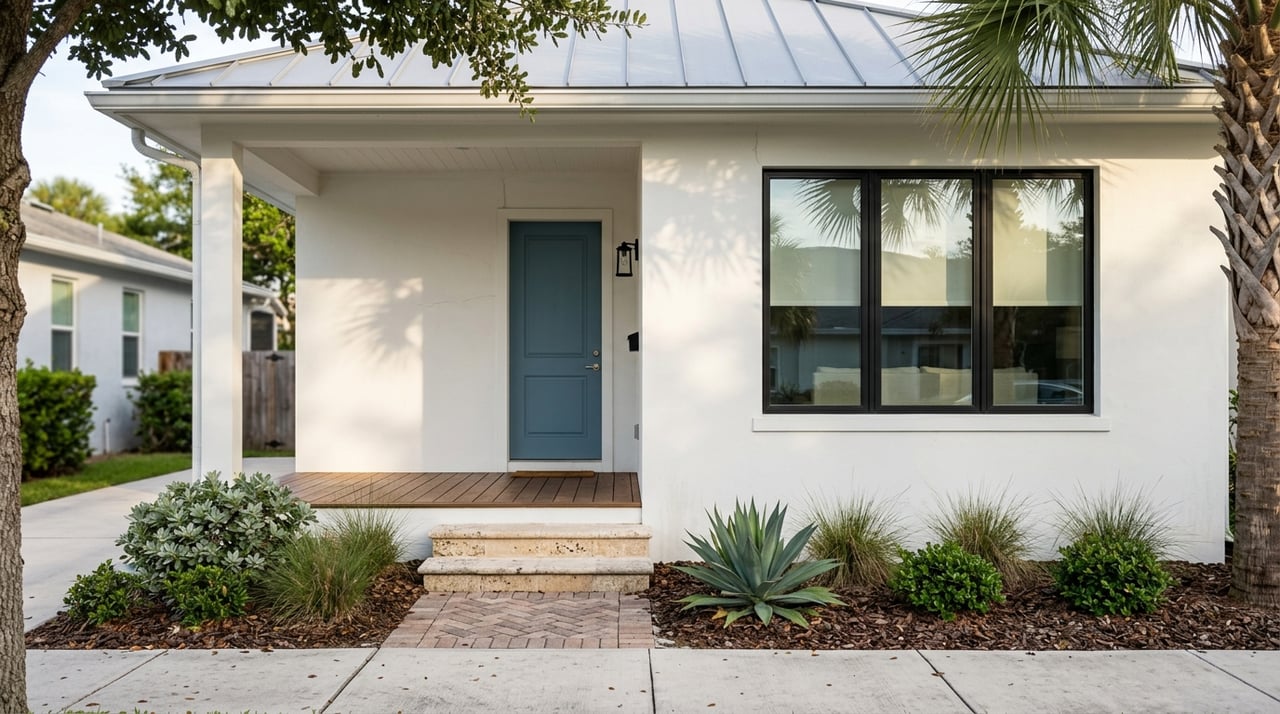
Living in Venice Florida: Island Charm or Mainland Ease
April 2, 2026
April 2, 2026
If you are thinking about Venice, you are probably weighing a lifestyle question as much as a real estate one: do you want to live close to the beach and downtown charm, or do you want easier regional access and a wider mix of housing options? That is a smart question, especially if you are relocating and trying to picture daily life before you move. In Venice, the answer often comes down to island charm versus mainland convenience, and both sides offer something meaningful. Let’s take a closer look at how Venice lives day to day.
Venice offers a distinct mix of coastal character and practical livability. Its island core brings historic streets, beach access, and a walkable downtown, while the mainland gives you easier access to major roads and a broader range of home types.
For many buyers, that balance is the appeal. You can choose a setting that fits how you want to spend your time, whether that means morning beach walks, trail rides into downtown, or easier drives to other Gulf Coast destinations.
Venice Island is where much of the city’s classic identity comes into focus. Downtown Venice dates to the 1920s and sits less than a mile from Venice Beach, with a historic district designed to retain a Mediterranean Revival look.
The downtown grid includes streets like West Venice Avenue, East Venice Avenue, Tampa Avenue, Miami Avenue, Nokomis Avenue, and Nassau Street. That layout helps create a compact, easy-to-navigate center where shops, dining, and daily stops feel connected rather than spread out.
If walkability matters to you, the island core has a lot to offer. The city reduced the speed limit to 20 mph on parts of Tampa and Miami avenues between Harbor Drive and U.S. 41 Business to support a more walkable downtown environment, according to the City of Venice.
That slower pace supports the feel many buyers are looking for when they picture life near a historic downtown. It is less about rushing through errands and more about being able to enjoy coffee, dinner, or a weekend event without needing to plan every trip around the car.
Living on or near the island can also mean easier access to some of Venice’s best-known coastal amenities. Venice Beach is a certified Blue Wave beach with free parking and lifeguards, and the Venice Fishing Pier on the south end of Venice Island is open 24/7 and free to use.
For buyers who picture a beach-centered routine, that can be a major lifestyle advantage. You may find that being closer to the shore changes how often you actually use it, especially for quick morning walks or sunset stops.
Mainland Venice tends to appeal to buyers who want everyday convenience first. If you expect to drive frequently, visit nearby communities, or want easier access to regional routes, the mainland may feel more practical.
The Venice area has access to Interstate 75 at exits 193 and 195, according to the Florida Department of Transportation. South Venice is also served by SR 776, also known as Englewood Road, which adds another key route for getting around.
This road network matters if your routine extends beyond Venice itself. Whether you are commuting occasionally, visiting family, heading to appointments, or exploring nearby Gulf Coast communities, mainland locations often make those drives more straightforward.
That does not mean the island is isolated. It simply means mainland neighborhoods may better match a lifestyle built around frequent in-and-out travel.
Housing choice is another reason buyers often consider the mainland. Venice’s zoning includes single-family, multi-family, manufactured-home park, manufactured-home subdivision, planned, and mixed-use districts, based on the city’s zoning information.
In practical terms, that supports a wider range of housing formats across the broader Venice area. Local listings and housing directories also reflect options such as homes, villas, condos, apartments, and rental properties, including seasonal and annual rentals in homes, villas, and condos through local Venice lodging and rental resources.
Whether you choose the island or mainland, outdoor access is a major part of living in Venice. The city says it has more than 30 parks, and some of the most recognized amenities include Centennial Park, Brohard Paw Park, South Brohard Beach, and Venetian Waterway Park, according to the City of Venice parks directory.
That variety gives you more than just beach time. It supports dog walks, trail outings, downtown events, and easy ways to spend time outside without needing a big day trip.
Venice is especially attractive if you enjoy biking or multi-use trails. The city is recognized as a Trail Town and a Silver Bicycle Friendly Community, and the Venetian Waterway Park Trail connects to the Legacy Trail at the Historic Venice Train Depot to create almost 23 miles of uninterrupted trails, according to the city’s bicycling information.
There is also a direct connection into downtown. The Legacy Trail overpass spans US 41 and links the Legacy Trail and Venetian Waterway Park Trail to downtown Venice, which can make short, car-free trips more realistic for some residents.
One of the most helpful things to know about Venice is that downtown is not just scenic. It also works as a practical commercial center, with boutiques, restaurants, bars, sweet shops, services, and a Saturday farmers market, according to local downtown information.
Centennial Park adds free parking, a splash pad, and event space in the center of town. If you want a place where daily errands can blend with dining, events, and outdoor time, that is part of what makes Venice feel livable and not just picturesque.
If you are trying to understand who Venice tends to attract, the housing data offers some useful clues. U.S. Census QuickFacts show that 80.4% of housing units are owner-occupied, the median owner-occupied home value is $434,700, and the median gross rent is $1,606.
The same Census profile shows that 61.4% of residents are age 65 or older. While every buyer’s goals are different, that helps explain why Venice often appeals to retirees and buyers looking for lower-maintenance living options.
The best fit depends on how you want your days to feel. Based on Venice’s downtown layout, trail network, road access, and housing mix, the island core generally suits buyers who want historic character, shorter walks to the beach, and close access to downtown amenities.
The mainland is often a better match if you prioritize quicker access to I-75 or SR 776 and want a broader range of housing formats. Neither choice is better across the board. The right choice is the one that lines up with your routine, your priorities, and how you want to live once the move is complete.
If you are relocating or buying from out of state, it helps to compare Venice by lifestyle first and property type second. Start by asking yourself:
These questions can make your search more focused from the start. They also help you avoid choosing a home that looks right on paper but does not fit your day-to-day routine.
If you want help comparing Venice Island and mainland options, Jeanne Egan offers clear, step-by-step guidance to help you understand what to expect and find the right fit for your move.
Stay up to date on the latest real estate trends.
I am committed to guiding you every step of the way—whether you're buying a home, selling a property, or securing a mortgage. Whatever your needs, I've got you covered.
Jeanne Lynn Egan
423 Saint Armands Cir Sarasota FL 34236